Revamp Your Home: A Guide to Exterior Siding Replacement
As exterior siding replacement becomes a focal point, this introduction invites readers with a wealth of information, ensuring an engaging and informative read.
The following paragraph will delve into the details of this essential home improvement task.
Importance of Exterior Siding Replacement

Keeping the exterior siding of a building in good condition is crucial for various reasons. Not only does it enhance the overall appearance of the property, but it also plays a significant role in protecting the structure from external elements.
Enhancing Curb Appeal
Exterior siding replacement can instantly give a facelift to a property, boosting its curb appeal and making it more visually appealing. New siding can modernize the look of a building, increasing its value and making it stand out in the neighborhood.
Impact on Structural Integrity
Deteriorating siding can lead to various issues, including water infiltration, mold growth, and even structural damage. When the siding is compromised, it fails to provide adequate protection against moisture, leading to potential rot and decay of the underlying structure. This can weaken the integrity of the building over time, posing safety risks and requiring costly repairs.
Types of Exterior Siding Materials

When it comes to exterior siding, there are various materials to choose from, each with its own unique characteristics and benefits.
Vinyl Siding
Vinyl siding is a popular choice due to its affordability and low maintenance requirements. It is available in a wide range of colors, including neutrals, pastels, and bold hues. Vinyl siding is durable and resistant to rot, fading, and pests.
Wood Siding
Wood siding offers a classic and natural look to a home. While it requires more maintenance than vinyl, with periodic painting or staining, many homeowners appreciate its charm and warmth. Wood siding can be painted or stained in various colors, from earthy tones to rich shades.
Fiber Cement Siding
Fiber cement siding is known for its durability and resistance to fire, insects, and rot. It can mimic the look of wood or stucco and is available in an array of colors, from traditional to modern. While fiber cement siding may require repainting over time, it is a long-lasting option for many homeowners.
Brick Siding
Brick siding is a timeless choice that adds character and elegance to a home. It is extremely durable and requires minimal maintenance, with no need for painting or staining. Brick siding is available in various shades of red, brown, gray, and more, offering a classic and sophisticated appearance.
Stone Veneer Siding
Stone veneer siding provides the look of natural stone at a fraction of the cost. It is lightweight and easy to install, offering a versatile option for homeowners. Stone veneer siding comes in a variety of colors and textures, from rustic to contemporary, adding visual interest and curb appeal to any home.
Signs that Replacement is Needed

When it comes to your home's exterior siding, there are certain signs that indicate it may be time for a replacement. These signs are important to look out for as they can impact the overall condition and appearance of your home.
Weather Damage and Age Impact on Siding
Weather damage, such as exposure to harsh elements like rain, snow, and UV rays, can cause wear and tear on your siding over time. Additionally, as siding ages, it may become brittle, cracked, or warped, making it less effective in protecting your home.
Risks of Delaying Siding Replacement
- Water Damage: Damaged siding can allow water to seep into your home, leading to mold, rot, and structural damage.
- Energy Inefficiency: Cracks or gaps in siding can result in energy loss, leading to higher heating and cooling costs.
- Curb Appeal: Worn-out siding can detract from your home's curb appeal, affecting its overall value and aesthetic.
- Pest Infestation: Holes or gaps in siding can provide entry points for pests like insects or rodents.
Exterior Siding Replacement Process

Replacing exterior siding involves several steps to ensure a successful outcome. It is essential to follow a systematic process to achieve the best results. Here is a breakdown of the exterior siding replacement process:
Step-by-Step Process
- 1. Remove the existing siding: Start by carefully removing the old siding from the exterior of the building. Use appropriate tools such as a pry bar, hammer, and utility knife to detach the siding panels.
- 2. Inspect the underlying structure: Once the old siding is removed, inspect the underlying structure for any damage or decay. Repair or replace any damaged areas before proceeding with the new siding installation.
- 3. Prepare the exterior surface: Clean the exterior surface thoroughly to remove dirt, debris, and any remnants of the old siding. Make sure the surface is smooth and free of any obstacles that could impact the installation of the new siding.
- 4. Install the new siding: Begin installing the new siding according to the manufacturer's instructions. Use the appropriate tools and equipment, such as a nail gun, tape measure, and level, to ensure the siding is properly aligned and secured.
- 5. Seal and finish: Once the new siding is in place, seal the seams and edges to prevent moisture infiltration. Apply a finish or paint as desired to enhance the appearance and protect the siding from the elements.
Tools and Equipment Required
- 1. Pry bar and hammer: Essential for removing the old siding.
- 2. Utility knife: Used for cutting and trimming siding panels.
- 3. Nail gun: Helps to secure the new siding in place quickly and efficiently.
- 4. Tape measure and level: Ensure accurate and level installation of the new siding.
- 5. Sealant and paint: Necessary for finishing touches and weatherproofing the siding.
Tips for Preparation
- 1. Clear the work area: Remove any obstacles or furniture near the exterior of the building to allow easy access for the siding replacement.
- 2. Protect surrounding surfaces: Cover windows, doors, and other delicate surfaces with protective materials to prevent damage during the replacement process.
- 3. Check for proper ventilation: Ensure adequate ventilation during the replacement process to avoid any build-up of fumes or dust.
- 4. Plan ahead: Double-check measurements, materials, and tools before starting the replacement to avoid delays or mistakes along the way.
Cost Considerations

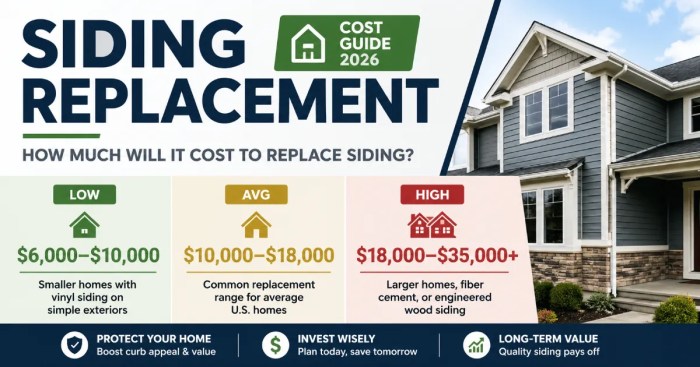
When it comes to exterior siding replacement, the cost is a crucial factor that homeowners need to consider. Understanding the potential costs involved, factors influencing the overall cost, and cost-saving tips can help homeowners make informed decisions about their siding replacement project.
Breakdown of Potential Costs
- Labor Costs: This includes the cost of hiring professionals to remove the old siding, install the new siding, and any additional work required.
- Material Costs: The cost of the siding material itself, which can vary depending on the type and quality chosen.
- Permit Fees: Some areas may require permits for siding replacement, adding to the overall cost.
- Additional Costs: These can include disposal fees for the old siding, equipment rental, and any unforeseen issues that may arise during the project.
Factors Influencing Overall Cost
- Size of the Home: Larger homes will require more materials and labor, leading to higher costs.
- Type of Siding: Different siding materials have varying costs, with premium materials costing more than basic options.
- Accessibility: Homes that are difficult to access or have unique architectural features may require more labor and increase the overall cost.
- Additional Features: Adding insulation, trim work, or other enhancements can also impact the total cost of the project.
Cost-Saving Tips for Homeowners
- Compare Quotes: Obtain multiple quotes from different contractors to find the best price for your siding replacement project.
- Consider Timing: Scheduling the replacement during the off-season or slower times for contractors may result in lower labor costs.
- DIY Where Possible: Homeowners with the necessary skills can save money by taking on tasks like removing old siding or painting themselves.
- Maintain Your Siding: Regular maintenance and repairs can extend the lifespan of your siding, delaying the need for a full replacement and saving you money in the long run.
Environmental Impact of Siding Materials
When considering exterior siding replacement, it's essential to take into account the environmental impact of the materials being used. Different siding options have varying levels of sustainability and recyclability, making some choices more eco-friendly than others.
Sustainability of Popular Siding Options
- Vinyl Siding: While vinyl siding is durable and long-lasting, its production process involves the use of fossil fuels and releases toxic chemicals into the environment.
- Fiber Cement Siding: Made from a mixture of cement, sand, and cellulose fibers, fiber cement siding is durable and resistant to fire and pests. However, the manufacturing process generates a significant amount of greenhouse gas emissions.
- Wood Siding: Wood siding is a renewable resource and biodegradable, making it a more sustainable option. However, deforestation and the use of chemical treatments can impact its eco-friendliness.
- Composite Siding: Composite siding is made from a combination of wood fibers, resin, and other materials. While it offers the look of wood without the maintenance, the manufacturing process may involve the use of non-renewable resources.
Recyclability of Siding Materials
- Steel Siding: Steel siding is highly recyclable and can be repurposed multiple times without losing its quality. This makes it a sustainable choice for those looking to reduce their environmental impact.
- Aluminum Siding: Like steel, aluminum siding is also recyclable and can be melted down and reused. It is a lightweight material that is easy to work with and dispose of responsibly.
- Brick Siding: Brick siding is a durable and low-maintenance option that can be recycled or repurposed after its use. Its longevity and natural composition make it a sustainable choice for environmentally-conscious homeowners.
Conclusive Thoughts

In conclusion, exterior siding replacement plays a crucial role in maintaining your home's aesthetics and structural integrity. Take the necessary steps to enhance your property's appeal and durability with a timely replacement project.
User Queries
When should I consider replacing my exterior siding?
If you notice signs of damage like cracks, rot, or warping, it's time to consider replacement.
What are the benefits of replacing exterior siding?
Replacing siding can improve your home's curb appeal, structural integrity, and energy efficiency.
How long does exterior siding replacement usually take?
The duration can vary based on the size of the project, but it typically takes a few days to a week.
Can I replace siding on my own?
While it's possible, hiring professionals ensures quality work and avoids potential issues.
What maintenance is required after replacing exterior siding?
Regular cleaning and inspections can help maintain the siding's condition and prolong its lifespan.